
Facts
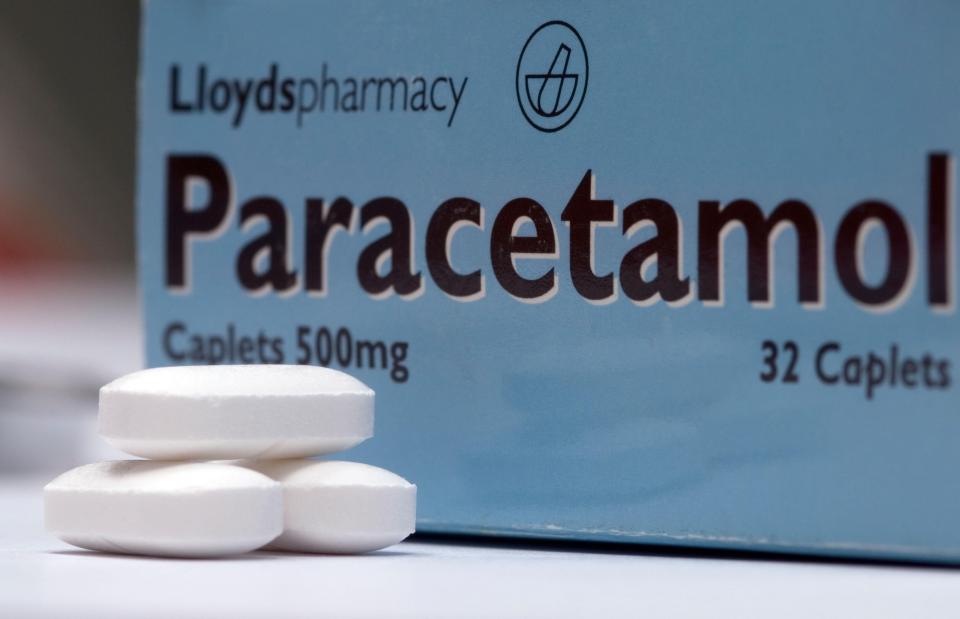
- Paracetamol (often known as Tylenol in the USA) is one of the most common pain relievers and fever reducers that many pregnant women take to relieve pain and fever.
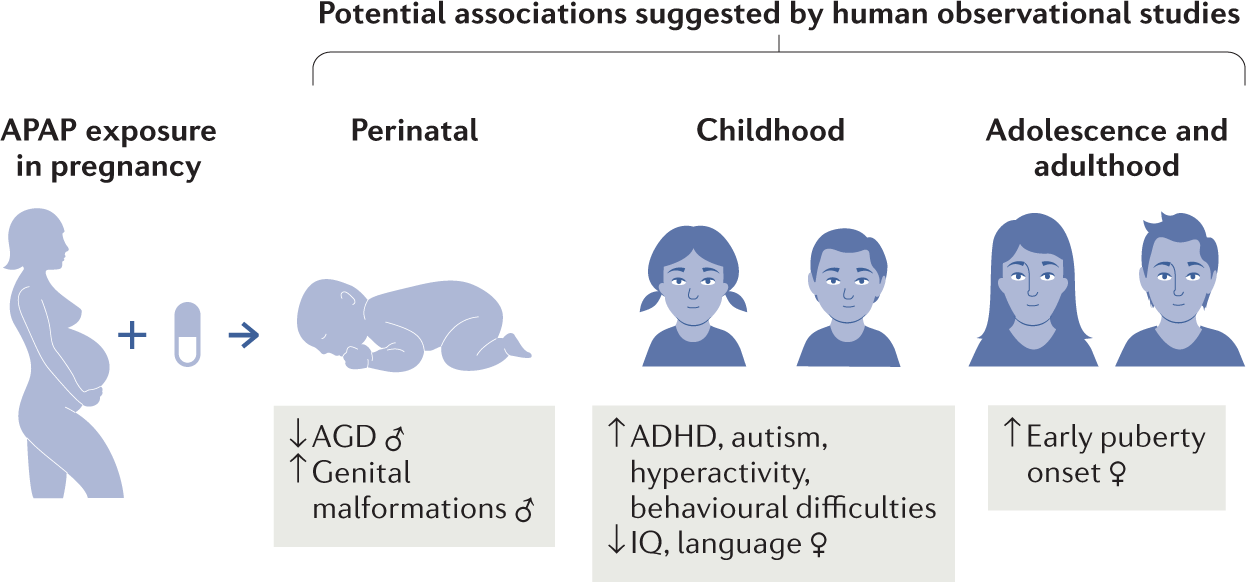
- Some studies, including measurements of paracetamol metabolites in umbilical cord blood, have found associations with increased risk of autism or ADHD in children.
- However, the largest study of nearly 2.5 million children showed that after controlling for familial and genetic factors, the association between paracetamol and autism disappears. This suggests that the observed correlation is not causal.
- Major international medical organizations emphasize that no studies have proven a causal link between paracetamol and autism, and recommend using the drug only when necessary and under medical supervision.
Myths vs. Reality
Myth: "If a mother took paracetamol, her child will definitely have autism"
Reality: There is no proven causal link. Statistical associations do not mean that the drug causes autism. Correlation does not equal causation.
Myth: "Science confirms that paracetamol causes autism"
Reality: There is no scientific consensus or convincing clinical evidence of a causal relationship. The highest quality and largest studies have not found a proven causal link.
Myth: "Paracetamol is dangerous and should not be used during pregnancy"
Reality: Medical experts consider it one of the safest available pain relievers for pregnant women when used as needed. It's important to remember that untreated pain and high fever can themselves negatively affect fetal health.
Practical Recommendations
✔ Discuss any medications with your doctor, especially during pregnancy
✔ Use paracetamol only when necessary and at the minimum effective dose, for the shortest possible time
✔ Don't ignore pain or fever without consulting a doctor — they themselves can negatively affect fetal development
✔ Don't stop necessary treatment due to unfounded fears — lack of treatment may be more risky
Conclusion: There is no confirmed evidence that taking paracetamol during pregnancy causally leads to autism in children. The statistical associations observed in some studies more likely reflect other factors (such as genetic characteristics or the reasons for taking the medication) rather than a direct effect of the drug.
Sources
- Sibling comparison study: "Acetaminophen Use During Pregnancy and Children's Risk of Autism, ADHD, and Intellectual Disability" — JAMA (2024)
- Umbilical cord biomarker study: "Association of Cord Plasma Biomarkers of In Utero Acetaminophen Exposure with Risk of ADHD and Autism" — JAMA Psychiatry
- Evidence review: "Paracetamol use during pregnancy and autism risk" — PubMed
- Medical explanation of mixed data: Drugs.com