
Seafood is traditionally considered one of the most valuable sources of protein. Shrimp, mussels, and fish are regularly included in health-oriented diets due to their high protein content, omega-3 fatty acids, and microelements. However, in recent years, claims have become increasingly common that such products pose a toxic threat rather than a benefit: allegedly, they are saturated with heavy metals, mercury, and even petroleum products. To separate facts from exaggerations, it is necessary to consider what science actually knows.
Seafood can indeed contain contaminants, including heavy metals. First and foremost, these include substances such as mercury, lead, and cadmium, which enter the marine environment as a result of industrial activity. However, the degree of accumulation of these substances varies significantly depending on the species. The highest concentrations are characteristic of large predatory fish at the top of the food chain. These include, for example, tuna, which can accumulate mercury in more significant quantities compared to small fish and most other seafood.
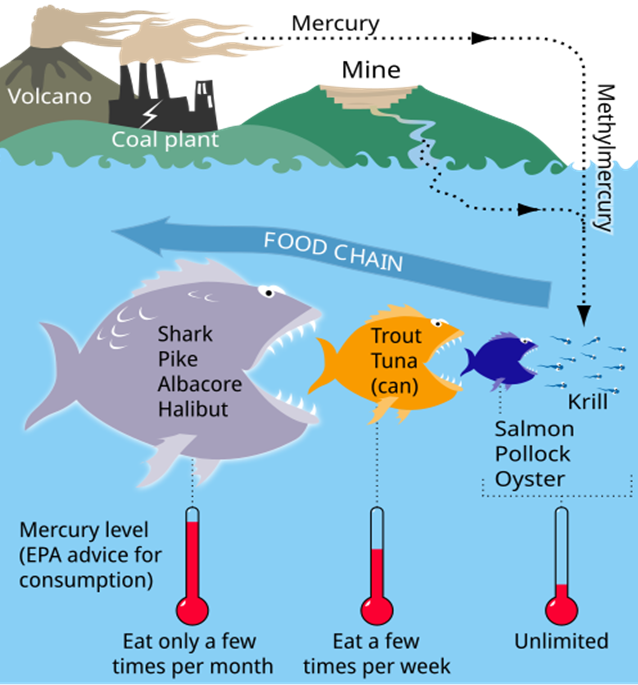
This is precisely why safety concerns are especially relevant for vulnerable groups. For small children, excessive consumption of large predatory fish may be undesirable due to the potential effects of mercury on the developing nervous system. Similarly, during pregnancy, recommendations from medical organizations amount to limiting or excluding fish species with high mercury content. This is because even relatively small doses can affect fetal development. However, this does not mean a complete rejection of all seafood: preference is usually given to species with low levels of contaminant accumulation.

Unlike large predatory fish, such seafood as shrimp and mussels contain significantly lower concentrations of mercury. Mussels and other bivalve mollusks do indeed filter water, which makes them sensitive to environmental quality. When harvested or cultured in contaminated waters, they can accumulate harmful substances. However, in most countries, industrial harvesting and aquaculture are regulated appropriately, and products undergo testing for toxin content. As a result, the level of contaminants typically remains within acceptable limits.
Claims about seafood being saturated with petroleum products require separate consideration. Oil contamination can indeed enter the marine ecosystem as a result of accidents or leaks, but such events are localized in nature and are not systematic. Products from affected regions are typically temporarily removed from circulation. The systematic presence of petroleum products in seafood reaching the market is not confirmed by regular quality control data.
From a nutritional perspective, seafood remains a valuable source of protein and microelements. It contains easily digestible protein, iodine, selenium, and polyunsaturated fatty acids. Potential risks are primarily related to consumption frequency and dietary diversity. Excessive consumption of the same species, especially large predatory fish, can increase the accumulation of unwanted substances, while varied nutrition makes it possible to minimize such risks.
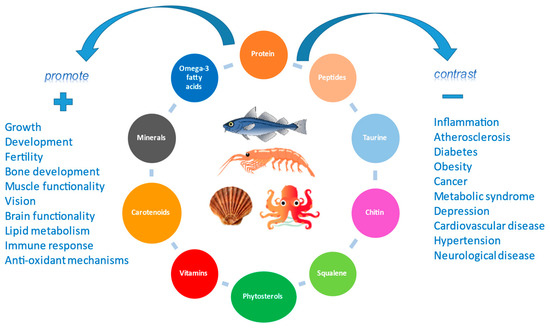
Common claims that seafood is more harmful than beneficial do not find confirmation in scientific data. At the same time, ignoring the contamination problem is also incorrect. The modern approach involves informed choice: limiting the consumption of species with high mercury content, especially for children and pregnant women, and preferring seafood with a more favorable safety profile.
Thus, the thesis that shrimp, mussels, and fish represent "ocean garbage" is a significant oversimplification. Scientific data indicates the presence of certain risks associated with environmental contamination, but when following principles of moderation and conscious choice, seafood remains part of a balanced diet.