

Microwave ovens have long become a part of everyday life, yet they remain surrounded by numerous myths. Some people believe that microwaves destroy all the beneficial nutrients in food, while others worry about radiation and potential health risks. Let’s examine what modern science has to say about these claims.
A microwave oven works by generating electromagnetic waves at a specific frequency, which cause water molecules in food to move rapidly and produce heat. It is important to understand that this is a form of non-ionizing radiation. Unlike X-rays or radioactive radiation, it cannot damage DNA, cause mutations, or make food radioactive.
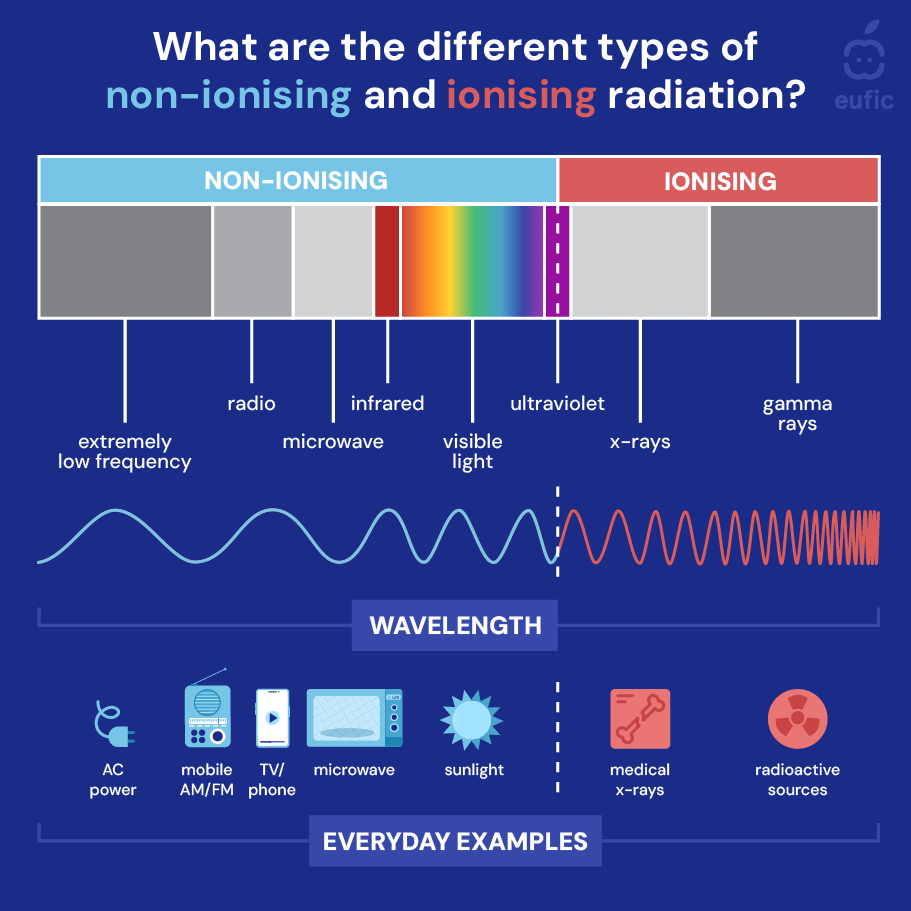
One of the most common myths is the claim that food becomes “irradiated” after being heated in a microwave. This is not true. Once the appliance is switched off, no microwaves remain in the food—just as no light remains in clothing after a lamp has been turned off.
Another common belief is that microwave ovens destroy all vitamins. In reality, some nutrient loss occurs with any method of cooking that involves heat. In fact, because microwave cooking often requires less time and less water, it can sometimes preserve more vitamins than boiling or prolonged simmering.

Modern microwave ovens are equipped with shielding systems that prevent significant amounts of microwave energy from escaping. When the appliance is in good working condition, the level of radiation outside the oven remains well below established international safety limits. From a health perspective, there is no need to stand away from a properly functioning microwave while it is operating.
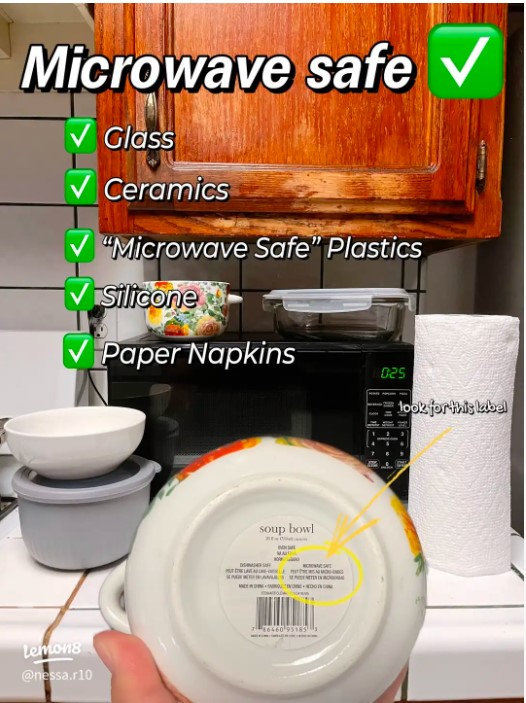
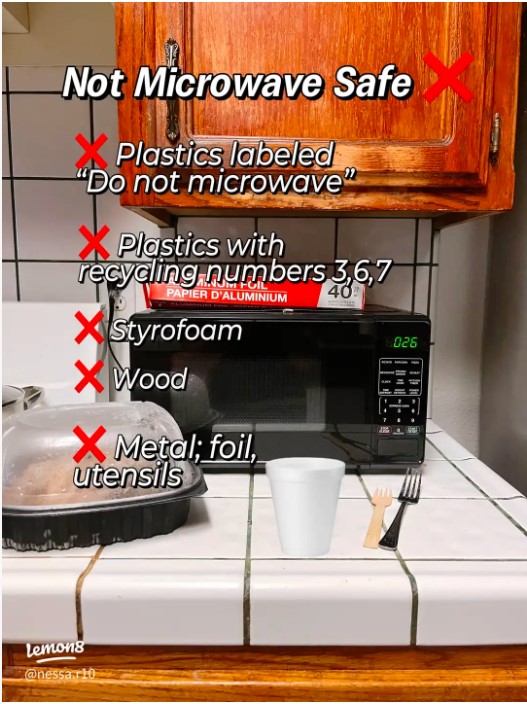
Nevertheless, certain precautions are worth observing. Damaged microwave ovens, particularly those with warped doors or defective seals, should not be used. It is also important to choose cookware specifically labeled as microwave-safe, as some plastics may release undesirable substances when heated.
Another important consideration is the uniformity of heating. Microwave ovens can heat food unevenly, so when reheating prepared meals—especially those containing meat, fish, or eggs—it is advisable to stir the food and ensure that it is heated thoroughly throughout.
Today, major international organizations, including the World Health Organization (WHO) and the U.S. Food and Drug Administration (FDA), do not consider the use of properly functioning microwave ovens to be a health risk when used according to safety guidelines.
In conclusion, the belief that microwave ovens make food “radioactive,” cause cancer, or pose a serious threat to human health is not supported by scientific evidence. When used correctly, a microwave oven is considered a safe household appliance that can be used daily for cooking and reheating food.