
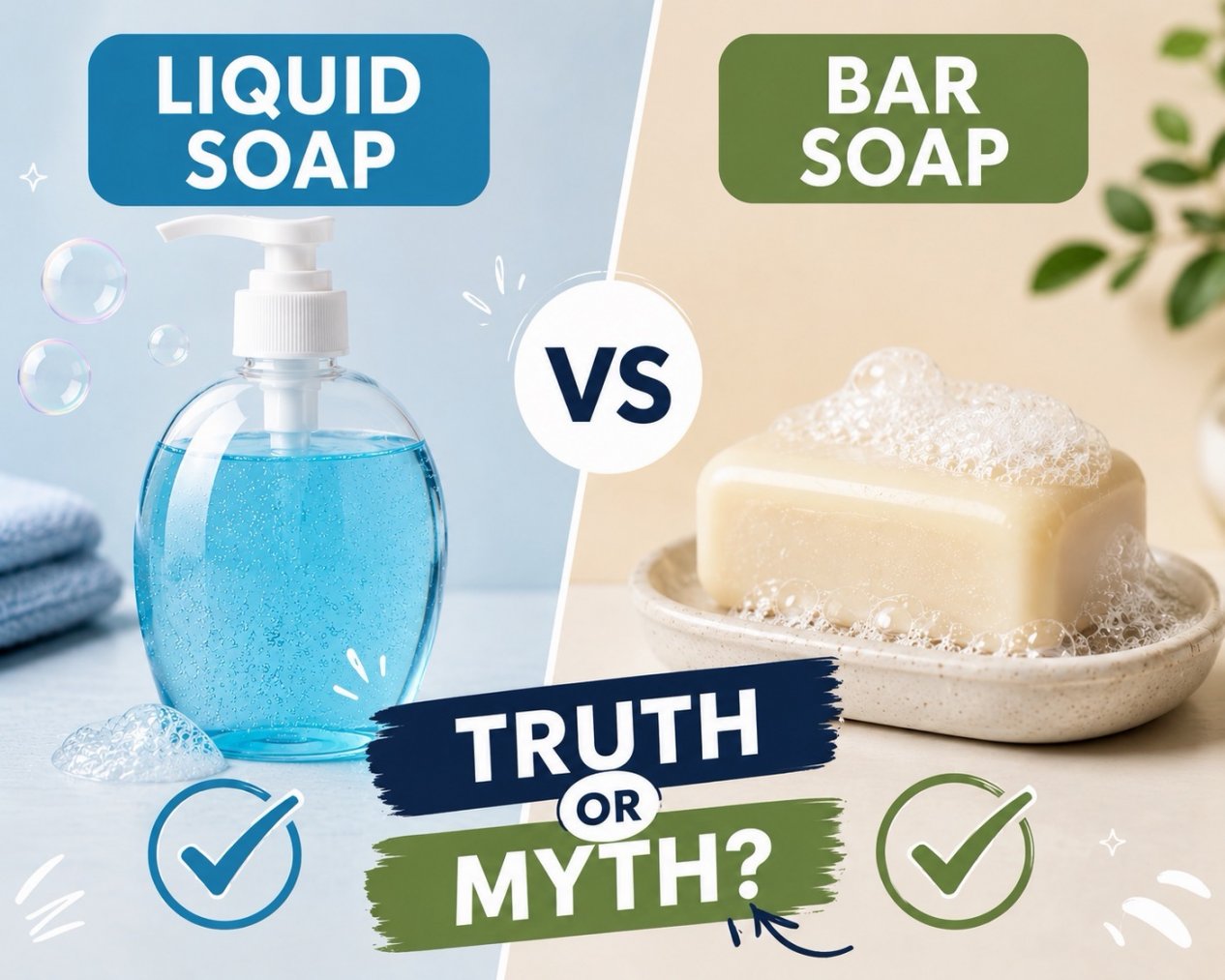
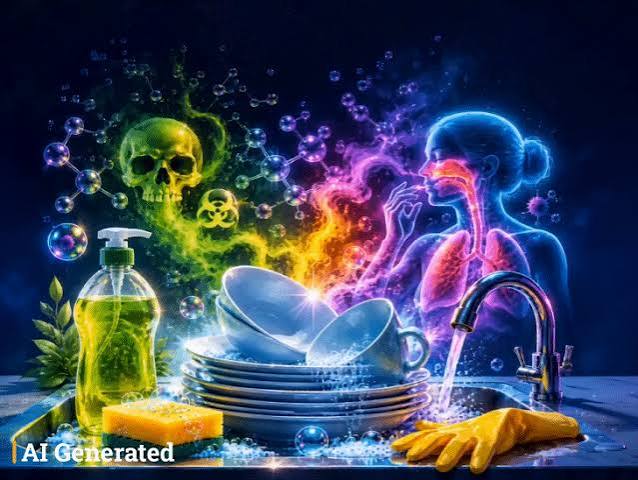
Claims frequently circulate on social media suggesting that liquid soap is harmful to human health. According to these posts, liquid soap allegedly leaves a “non-removable film” on the skin, contains dangerous chemicals, and remains usable for long periods only because of toxic preservatives.
How accurate are these claims?
Verdict: Not Supported by Evidence
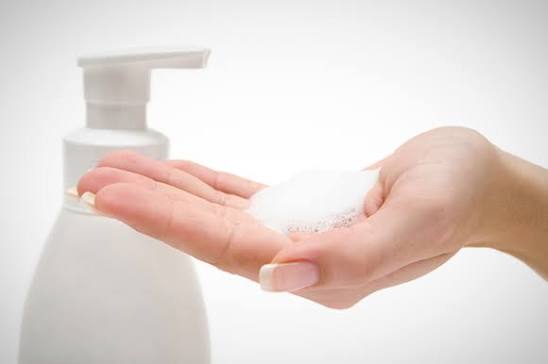
Available scientific evidence does not support the claim that commercially available liquid soap is toxic when used as intended. Most of these allegations stem from misunderstandings about cosmetic ingredients and how cleansing products work.
Does Liquid Soap Leave a “Non-Removable Film” on the Skin?
This claim is partly based on a real phenomenon, but its significance is often exaggerated.
Some liquid soaps contain moisturizing and conditioning ingredients, such as glycerin and skin-softening agents. Small amounts of these substances may remain on the skin after washing, helping to reduce dryness and maintain skin comfort.
However, there is no evidence that this residual layer is toxic or harmful. The cleansing ingredients responsible for removing dirt and oils are largely rinsed away with water during normal use.
Does Liquid Soap Foam Because of Harmful Chemicals?
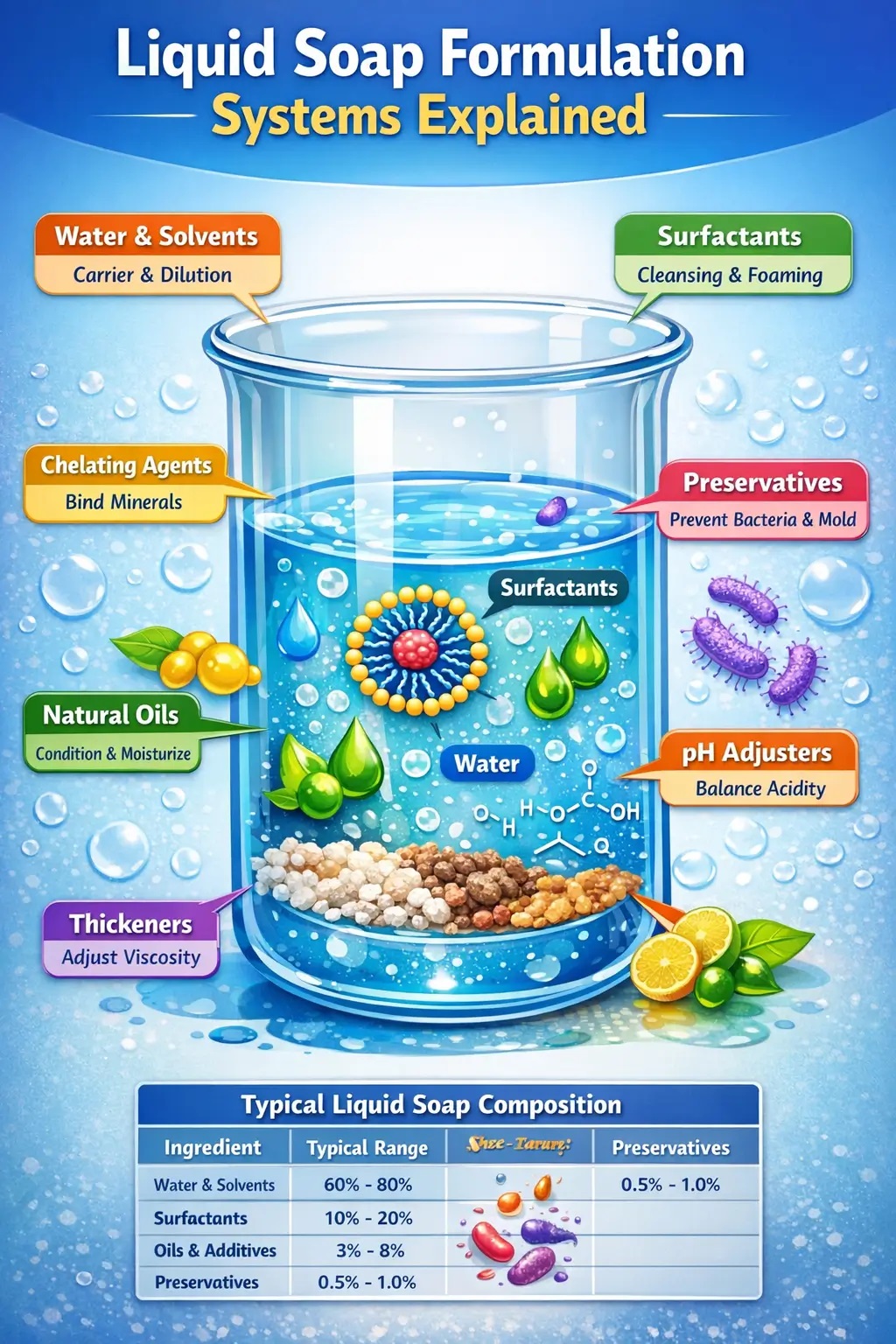
Foam is produced by surfactants (surface-active agents), which are found in both liquid and bar soaps. These ingredients help lift oils, dirt, and microorganisms from the skin.
The presence of foam is not an indicator of toxicity. In fact, experts note that the amount of foam produced by a product does not necessarily reflect either its effectiveness or its safety.
It is also important to recognize that all soaps—whether liquid or solid—are products of chemical processes. Therefore, portraying bar soap as “natural” and liquid soap as “chemical” is scientifically misleading.
Why Does Liquid Soap Have a Longer Shelf Life?
Unlike bar soap, liquid soap contains a significant amount of water. Without protection, this environment could allow the growth of bacteria, mold, and other microorganisms.
For this reason, manufacturers add preservatives that help maintain product safety throughout its shelf life.
The presence of preservatives is often cited in online claims about the alleged dangers of liquid soap. However, these substances are specifically included to prevent microbial contamination and are used in concentrations that comply with established safety standards.
Can Liquid Soap Cause Skin Problems?
Yes, but this is not the same as toxicity.
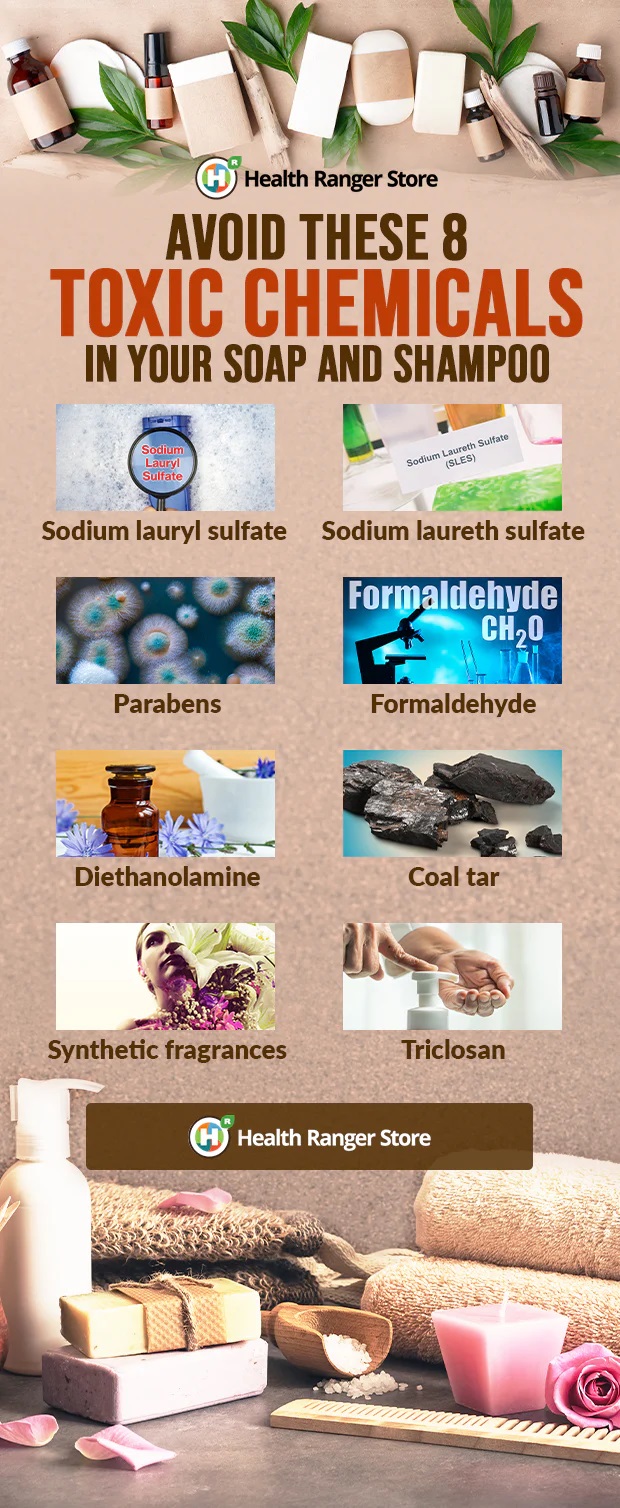
Some individuals may experience dryness, irritation, or allergic reactions to certain ingredients. These effects are typically linked to individual skin sensitivity, frequent handwashing, fragrances, or other formulation components.
Such reactions can occur with both liquid and bar soaps and should not be interpreted as evidence that liquid soap is inherently harmful.
Where Did This Myth Come From?
Experts attribute the spread of such claims to several factors, including distrust of ingredients with complex chemical names and the mistaken belief that “natural” automatically means safe while “chemical” means dangerous.
In reality, the safety of a cosmetic product depends on the properties, concentration, and proper use of its ingredients—not on whether their names sound scientific.
Conclusion
Claims that liquid soap is toxic, leaves a dangerous non-removable film on the skin, or poses health risks because it contains “chemicals” are not supported by scientific evidence.
While some ingredients may remain on the skin after washing, these are typically moisturizing agents designed to improve skin comfort. The longer shelf life of liquid soap is achieved through preservatives that prevent microbial growth, while foam is simply a result of cleansing ingredients that are common in modern hygiene products